
Heating, cooling & ventilation
Free Ventilation Inspection in London, Ontario
A free, professional residential ventilation inspection focused on airflow, air exchange, and the performance of home ventilation and HVAC-related systems. The goal of an inspection is education and assessment, not pressure or obligation.
Offered a free inspection by someone from our team? How to know it’s us
- Free inspection
- Uniform and company ID
- Since 1999
- 4.9 from 2,300+ Google reviews
Offered a free inspection?
Who Is at Your Door? How to Know It’s Platinum Air Care
If someone from Platinum Air Care offered you a free ventilation inspection, here is what to look for. Not sure? Call us at (519) 686-3595 and ask.
-
A uniform and company ID
Our team wears the Platinum Air Care uniform and carries company identification. Ask to see it.
-
Their own car
Our representatives drive their own cars, so look for the uniform and the ID rather than a logo on the car.
-
A free inspection
The ventilation inspection is free, and there is no obligation.
-
A number you can check
(519) 686-3595 rings our office in London. It is the number on every page of this website.
What Our Customers Say
Platinum Air Care is rated 4.9 from 2,300+ Google reviews across London and Southwestern Ontario.
The basics
What Is a Ventilation Inspection?
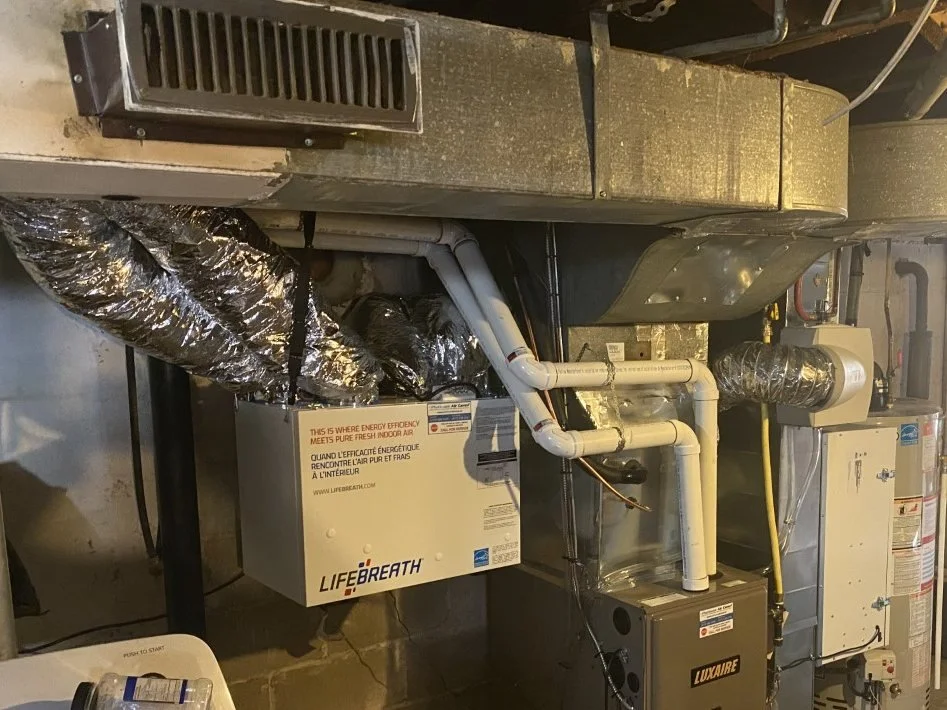
A ventilation inspection is the analysis and checkup of the home, business, or industrial ventilation system that provides forced air heating, cooling, and/or air exchange through mechanical ventilation systems such as an ERV (energy recovery ventilation), HRV (heat recovery ventilation), or other types of ventilation systems (such as kitchen hoods and bathroom fans).
Ventilation plays a critical role in indoor air quality, comfort, and system efficiency. A proper inspection helps homeowners understand how air moves through their home and whether ventilation components are operating as intended.
Ventilation inspections are commonly recommended for homes with comfort issues, poor air circulation, excess humidity, or aging HVAC ventilation systems.
What Are the Benefits of a Ventilation Inspection?
Common benefits include:
- Identifying airflow restrictions that affect comfort
- Detecting ventilation-related moisture or humidity issues
- Confirming ventilation components are operating safely
- Highlighting maintenance concerns before they become larger issues
- Supporting overall indoor air quality and system efficiency
In many cases, inspections confirm that systems are operating normally and no corrective action is required.
Who Is Qualified to Conduct a Ventilation Inspection?
A qualified ventilation inspection should be performed by an individual with practical experience in residential HVAC systems, airflow diagnostics, and ventilation components such as HRV and ERV systems.
Platinum Air Care technicians follow standardized inspection procedures and ongoing technical training to ensure homeowners receive clear, accurate explanations of their system’s condition and operation.
What we check
What Does Platinum Air Care Look For During a Residential Ventilation Inspection?
The inspection process may vary depending on the type of home, system layout, and equipment present. Not every inspection results in a recommendation, and many homes are found to be operating within normal ventilation parameters.
During a residential ventilation inspection, technicians may review the following:
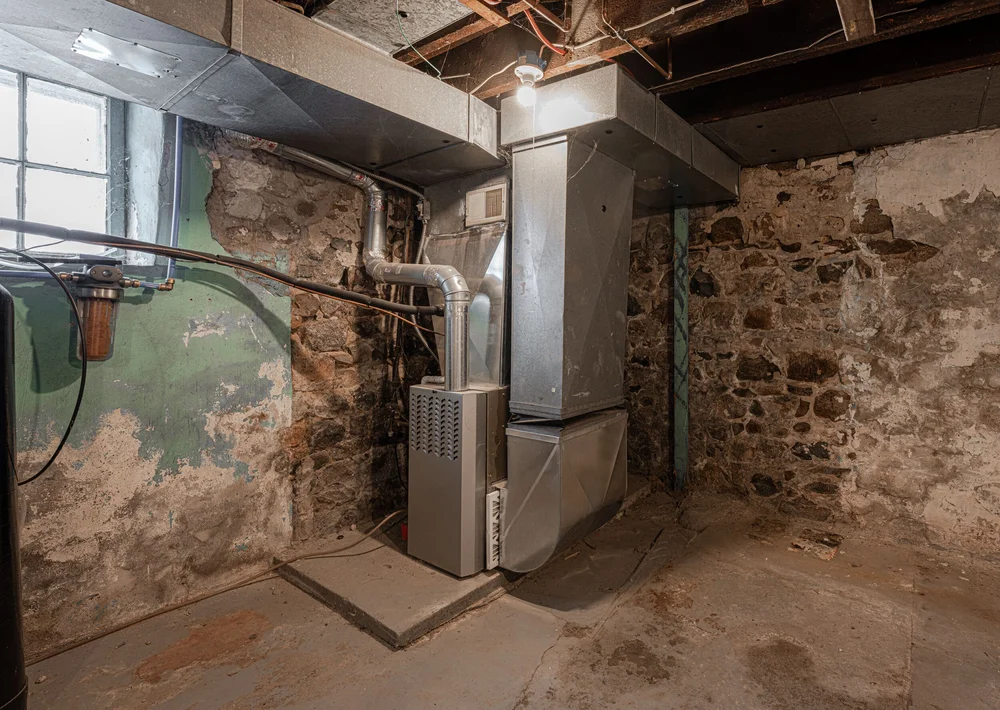
- Visual inspection of exposed venting for blockages, obstructions, or damage
- Signs of dust buildup, debris, or airflow restriction in supply and return pathways
- Abnormal noises or vibrations within ductwork
- Evidence of air leaks that may reduce system efficiency
- Temperature or humidity irregularities within living spaces
- Visual indicators of moisture intrusion or abnormal condensation
- Furnace filter condition and replacement status
- Condition of mechanical ventilation systems, such as HRV and ERV units, including vent integrity
Checks you can do
Can I Perform a Ventilation Inspection Myself?
Many homeowners can perform basic visual checks, such as confirming vents are unobstructed or replacing furnace filters. However, a complete ventilation inspection requires training, experience, and specialized tools.
Without proper knowledge, it can be difficult to identify airflow imbalances, hidden restrictions, or ventilation issues that are not immediately visible. Professional inspections provide a more thorough and accurate assessment of ventilation performance and safety.
Exterior Ventilation Checks Homeowners Can Perform
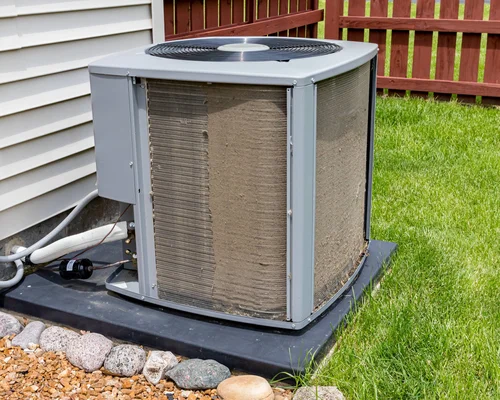
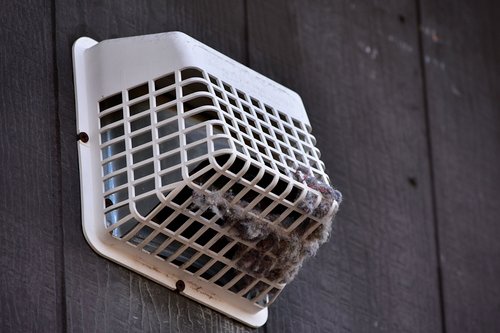
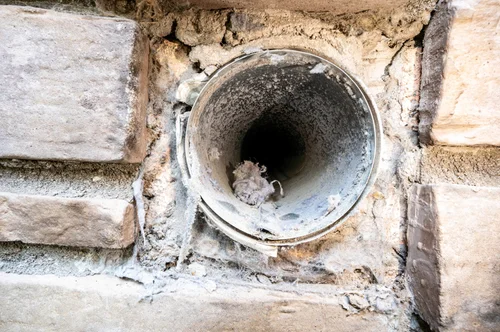
Homeowners can periodically check the exterior of their home for the following:
-
Obstructions near outdoor HVAC equipment caused by dirt, debris, or overgrown landscaping
-
Blocked, obstructed, or damaged exterior exhaust vents
Lint in the dryer vent? Dryer vent cleaning -
Gaps or openings around vent penetrations that may allow air leakage
-
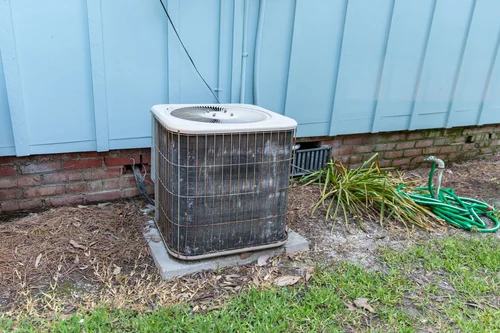
General condition of air conditioning equipment and exterior refrigerant lines
Interior Ventilation Signs to Watch For
Inside the home, homeowners may look for:
-
Furnace filters that are dirty or overdue for replacement
-
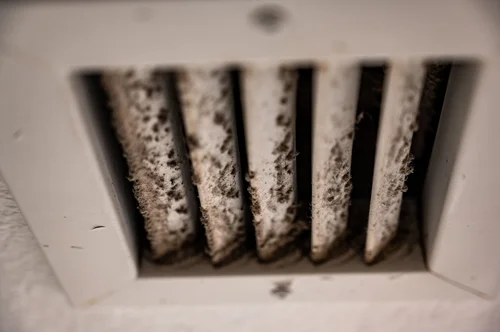
Visible dust buildup around vents or registers
Signs of moisture or mold near vents or duct openings
Dusty vents? Duct cleaning -
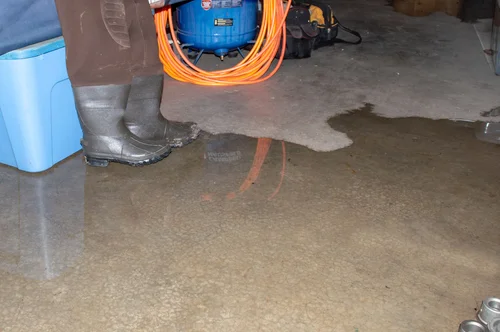
Water presence near vents, basements, or mechanical rooms
-
Unusual sounds or vibrations coming from HVAC equipment
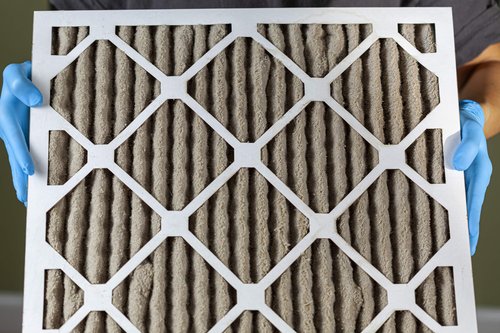

These observations can help determine when a professional inspection may be beneficial.
Questions
Ventilation Inspection FAQ
Is the ventilation inspection really free?
Yes. The ventilation inspection is free, and there is no obligation.
Someone offered me a free ventilation inspection. How do I know it’s really Platinum Air Care?
Our team wears the Platinum Air Care uniform and carries company identification, and our reps drive their own cars. If you are not sure, call us at (519) 686-3595 and ask.
Do I need a professional HVAC company to perform a ventilation inspection?
While homeowners can perform basic checks, professional HVAC companies have the tools and experience needed to conduct a thorough ventilation inspection. This ensures accurate assessment and clear explanations.
Why should I have a ventilation inspection done?
Ventilation inspections help ensure that air exchange systems are functioning properly, supporting indoor comfort, air quality, and system efficiency over time.
Does a ventilation inspection check for carbon monoxide?
Ventilation inspections focus on airflow and ventilation performance. Carbon monoxide testing may require separate testing methods depending on the situation.
Do you test for radon during a ventilation inspection?
Radon testing is not typically included in a standard ventilation inspection and may require separate testing services.
My HVAC system was recently repaired or replaced. Do I still need an inspection?
Even newer systems can experience airflow or ventilation issues depending on installation, duct layout, or home conditions. An inspection can confirm proper operation.
What happens if ventilation issues are found?
If issues are identified, technicians will explain the findings and outline potential options. Homeowners can decide how to proceed based on their needs and preferences.
What area do you cover?
London and Southwestern Ontario. Not sure if you are in our area? Give us a call and we will tell you.
Book it
Schedule a Free Ventilation Inspection
Ventilation inspections are scheduled in advance to ensure adequate time for proper assessment and homeowner discussion.
To request an inspection, call us at (519) 686-3595, or use the form, and a member of our team will follow up to arrange a suitable time.
- Free ventilation inspection
- Uniform and company ID
- 4.9 from 2,300+ Google reviews