
Chlorine and Chloramine in Tap Water
Chlorine and chloramine are chemical disinfectants widely used in municipal water treatment to control bacteria and maintain water safety as it travels to homes. While effective for disinfection, many homeowners notice a change in taste, odor, and how water feels when used for drinking, bathing, and everyday household activities.
Understanding how these disinfectants behave in household water systems can help determine whether additional filtration is right for your home.
Prefer to call? (519) 686-3595
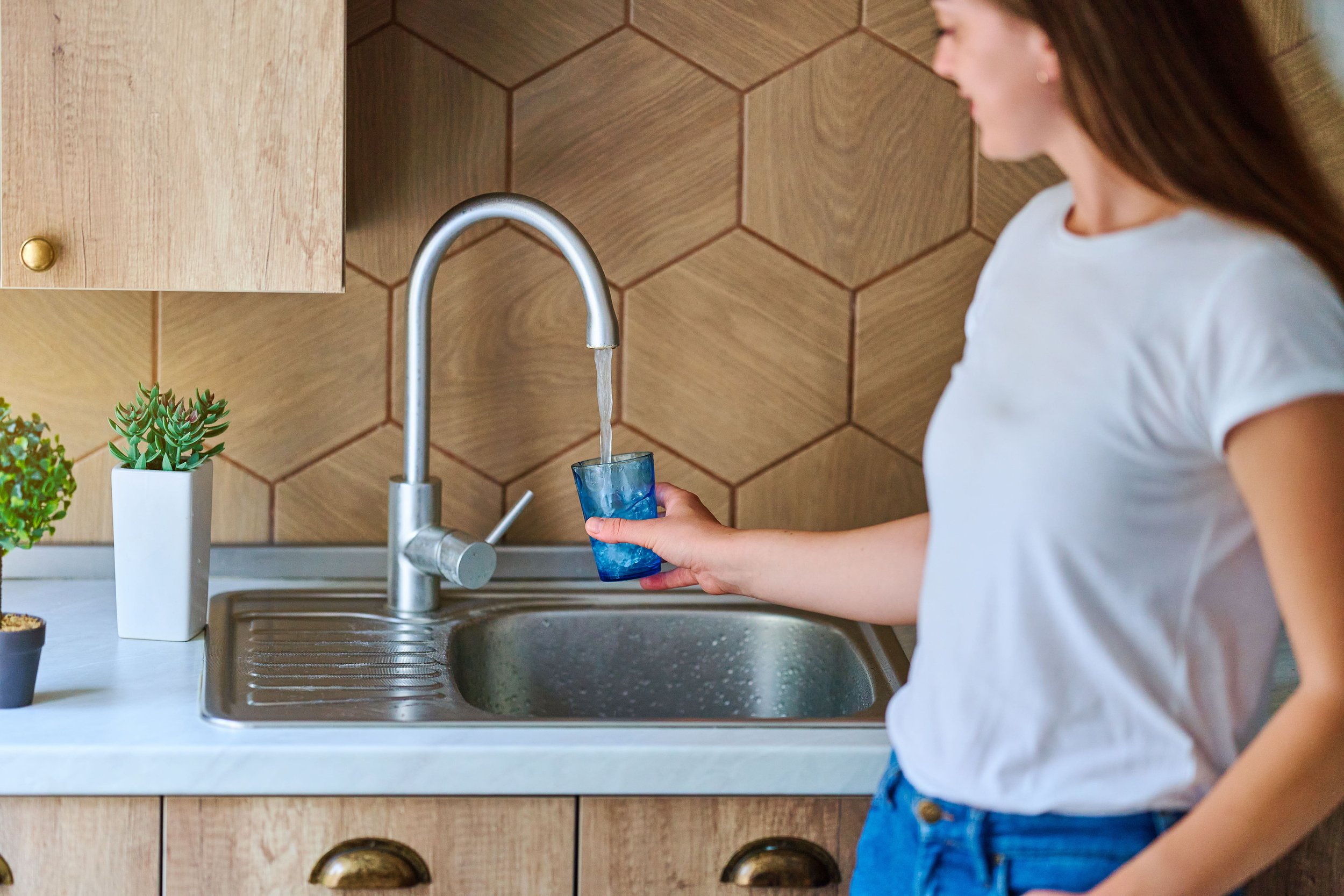

Why Municipal Water Contains Chlorine and Chloramine
Municipal water systems add disinfectants to control harmful microorganisms as water travels through large distribution networks. Chlorine has been used for decades because it acts quickly and is easy to measure. Chloramine, a compound formed by combining chlorine with ammonia, is increasingly used because it remains stable for longer distances and reduces the need for frequent re-chlorination.
Both disinfectants are approved for municipal use, but their chemical properties mean they can behave differently once water reaches household plumbing systems.
What’s the Difference Between Chlorine and Chloramine?
While often discussed together, chlorine and chloramine are not the same.
Chlorine:
Acts quickly as a disinfectant
Can dissipate faster once water enters the home
Often responsible for strong taste or odor
Chloramine:
More chemically stable
Remains in water longer throughout distribution systems
More difficult to reduce without specialized filtration media
Because chloramine is more persistent, not all filtration systems address it effectively.
Disinfection By-Products in Treated Water
Municipal water systems add disinfectants to control harmful microorganisms as water travels through large distribution networks. Chlorine has been used for decades because it acts quickly and is easy to measure. Chloramine, a compound formed by combining chlorine with ammonia, is increasingly used because it remains stable for longer distances and reduces the need for frequent re-chlorination.
Both disinfectants are approved for municipal use, but their chemical properties mean they can behave differently once water reaches household plumbing systems.
Common Household Effects
Homeowners may notice the presence of chlorine or chloramine through everyday use rather than testing alone.
Common experiences include:
Chemical or swimming-pool-like taste in tap water
Odor noticeable at sinks or showers
Dry or irritated skin after bathing
Hair feeling dry or brittle
Reduced soap and shampoo lather
Strong smell when using hot water
These effects are often more noticeable in showers, laundry, and dishwashing than in cold drinking water.
Reducing Chlorine and Chloramine in the Home
Whole-home filtration systems designed for chlorine and chloramine reduction treat water as it enters the home. By addressing disinfectants at the source, these systems help improve water quality for bathing, cleaning, laundry, and everyday household use.
Many homeowners choose to pair whole-home filtration with a dedicated drinking water system for additional refinement at the kitchen sink.
Whole-Home Chlorine & Chloramine Reduction System
Designed to reduce chlorine, chloramines, and common taste and odor concerns, this whole-home filtration system uses catalytically enhanced carbon media to treat water at the point of entry. The result is more consistent water quality throughout the home without altering water pressure or flow.

How Whole-Home Water Treatment Works
Whole-home water systems are installed at the point where water enters your home. By treating water before it reaches fixtures, appliances, and showers, these systems help reduce mineral buildup and chemical exposure throughout the entire plumbing system.
Many homes benefit from pairing whole-home treatment with a dedicated drinking water system for the kitchen.
Is Whole-Home Water Treatment Right for Your Home?
You notice scale buildup on faucets or showerheads
Soap and shampoo don’t lather well
Appliances show signs of mineral wear
Skin or hair feels dry after bathing
You want consistent water quality throughout the home
Get Professional Guidance for Your Home
Not sure which system is right for your home? A professional water test allows us to assess your water and recommend the most effective solution. Prefer to call? (519) 686-3595
