Does Your Home’s Water in Ontario Need Filtration?
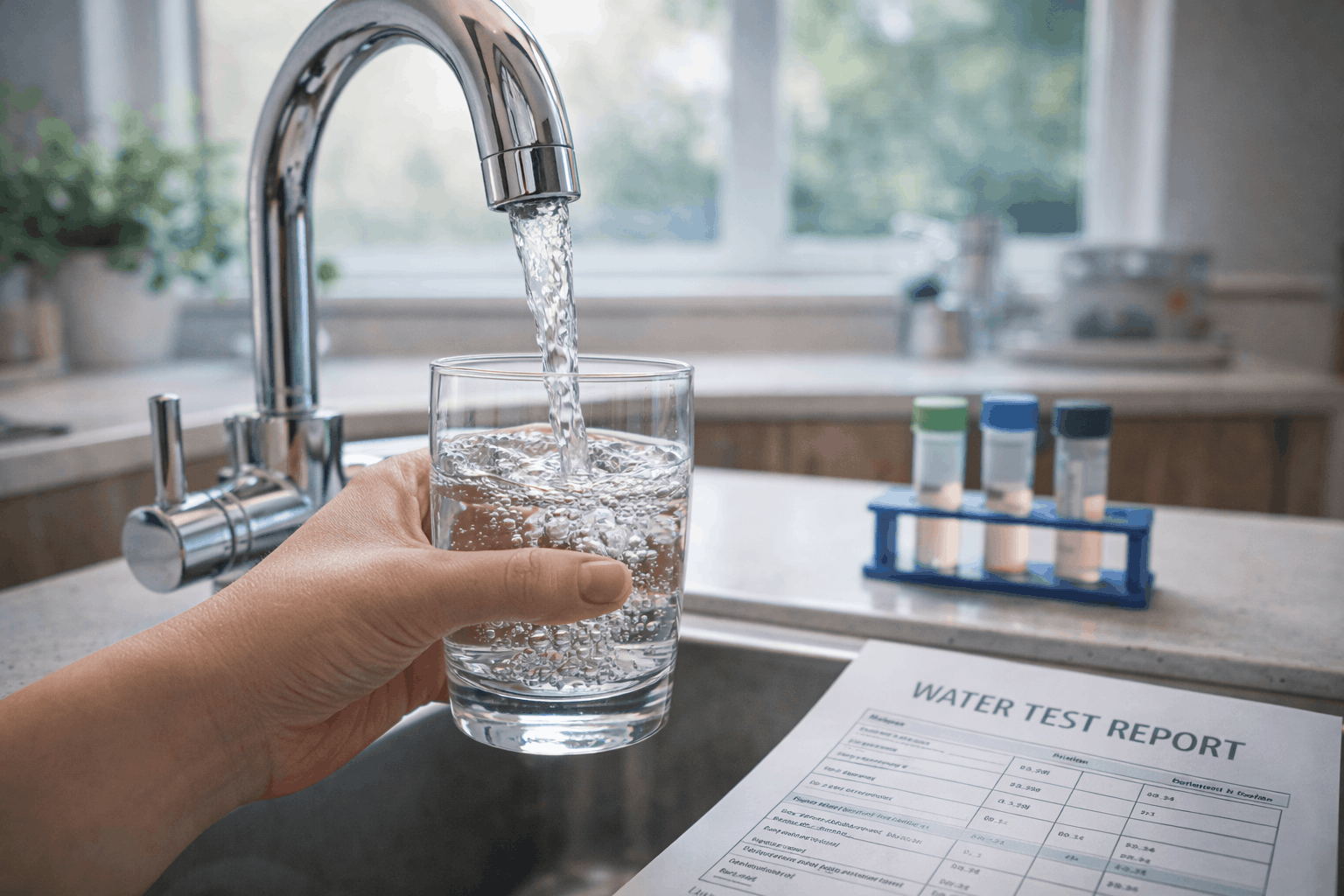
Many Ontario homeowners assume their water is already clean because it comes from a municipal supply or a private well. While water may be treated to meet basic safety standards, that does not always mean it is optimized for daily use, comfort, or long-term exposure.
Water quality can vary significantly depending on location, infrastructure, and the condition of plumbing systems. Understanding what is actually in your water is the first step in determining whether filtration is necessary for your home.
Common Water Issues Found in Ontario Homes
Ontario homes experience a range of water quality concerns, even in areas with treated municipal water.
Chlorine and chloramine are commonly used to disinfect water supplies. While effective for sanitation, these chemicals can affect taste, odor, and skin comfort when used daily.
Hard water is another widespread issue. Excess minerals such as calcium and magnesium can leave scale buildup on fixtures, appliances, and plumbing while reducing soap effectiveness.
In some cases, older plumbing systems may contribute sediment, metals, or discoloration that homeowners notice over time. These issues are not always visible but can still affect water quality and household systems.
How Water Quality Affects Daily Life at Home
Water quality plays a role in far more than just drinking water.
Hard water can make laundry feel stiff, reduce lather in soaps, and leave residue on dishes and glassware. Chlorine exposure during bathing and showering may cause dryness or irritation for some individuals.
Over time, untreated water can also impact appliances such as water heaters, dishwashers, and washing machines by contributing to scale buildup and reduced efficiency.
This is why many homeowners explore whole-home water filtration systems as a way to improve consistency and comfort throughout the entire house, not just at a single tap.
When Is Water Filtration Worth Considering?
Water filtration is worth considering when homeowners notice persistent issues such as taste, odor, scale buildup, or skin discomfort.
It can also be beneficial for homes with higher water usage, larger families, or properties relying on older infrastructure. Rather than guessing, professional testing provides clarity on what is present in the water and what level of filtration is appropriate.
Booking a free in-home water test allows homeowners to make informed decisions based on actual results rather than assumptions.
Water filtration is not about fear or overcorrection. It is about understanding your home’s water and choosing solutions that align with long-term comfort, performance, and protection.
Knowing what is in your water helps you decide whether filtration is necessary and what type of system makes sense for your household.