
Put radon on your radar
Radon Testing in London, Ontario
Radon gas is found in every home, but radon levels fluctuate. Testing is the only method to know if the radon in your home is at low or high levels, and Platinum Air Care makes it easy. Our in-home radon test starts reading within the first hour.
- Certified technicians set up your test
- Readings start within the first hour
- On-the-spot advice in your home
- 4.9 from 2,300+ Google reviews
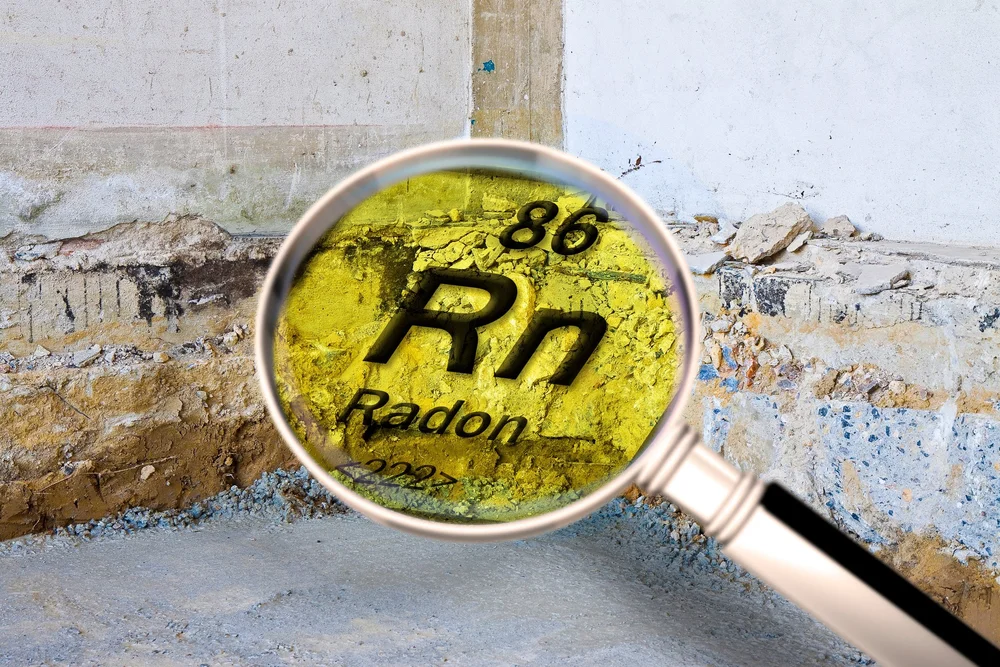
Radon testing
Why Test Your Home for Radon?
Everyone should consider radon testing and the threat radon poses to our health. Testing for radon is an inexpensive way to find out if your home poses a health risk to your family. Homeowners and long-term renters alike should have their homes tested.
-
Colorless and odorless
Radon is colorless and odorless. It enters your home through the cracks and holes in the foundation.
-
Found in every building
Radon gas is found in every building, and high levels are dangerous to our health over long periods of time.
-
Only a test can tell
It’s impossible to know the levels of radon in your home without radon testing.
Health Canada recommends every home should be tested, no matter where it is located, the type of building, or if it already has a mitigation system. Radon can vary widely between homes, even on the same street.
Source: Health Canada, Guide for radon measurements in homes.
Need to learn more? Read about radon & its risks
Your radon inspection, step by step
How Our Radon Testing Works
Platinum Air Care offers in-home radon testing with an electronic radon monitor and advice on the spot.
-
We’ll do the work
We’ll come and set up your radon test as well as guide you through a few simple steps to help keep your radon test as accurate as possible.
-
Readings within the first hour
Our electronic monitor starts reading within the first hour and updates its readings throughout the test.
-
Advice on the spot
Once your test is complete, one of our radon technicians goes over your results with you in your home. Based on the results and your interest, Platinum Air Care offers radon mitigation.



Getting an accurate result
Long-Term or Short-Term Radon Test?
Radon levels fluctuate from day to day and from season to season, so how long the test runs and where it sits decide how well it reflects your home. Here is what Health Canada recommends and how our in-home test works.
Health Canada’s recommendation
Long-term test
Runs for 3 to 12 months, with at least 91 days during the heating season (fall and winter), when closed windows and doors keep more radon inside. The result estimates the yearly average that Health Canada compares with its guideline. If you want your home’s long-term figure, this is the test we recommend.
Our in-home test
Short-term test
Our electronic radon monitor begins detecting radon within the first hour and continuously updates readings throughout the test. The monitor we use has undergone independent Canadian performance testing and demonstrated strong agreement with professional reference instruments. A rapid test can identify potential radon concerns, while Health Canada recommends a minimum 91-day measurement to determine a home’s long-term radon exposure.
Where the test goes
- On the lowest lived-in level of your home
- In a room someone uses more than 4 hours a day: a bedroom, living room, family room, den, playroom, or office
- Not in the kitchen, laundry room, or bathroom
When to test again
- After a renovation that changes the structure or ventilation, such as finishing the basement or a new furnace
- After energy upgrades, such as new windows, insulation, or sealing
- After a radon mitigation system goes in, and every 5 years while it runs
- In a new home, during its first heating season and again 2 years after it was built
Source: Health Canada, Guide for radon measurements in homes.
Google reviews
Here’s what your neighbors say about us
Rated 4.9 from 2,300+ Google reviews across Southwestern Ontario. Platinum Air Care has been providing healthy air to homes since 1999.
After the test
Understanding Your Radon Test Results
In Canada, radon levels are given in becquerels per cubic meter (Bq/m³). The Canadian guideline is 200 Bq/m³ (5.4 pCi/L). If your yearly average is above it, Health Canada recommends taking steps to reduce the radon level within 1 year, and sooner the higher the level is.
Have a result in pCi/L? Multiply it by 37 to get Bq/m³, or see the radon unit conversion table.
Already tested? Start your fight against radon
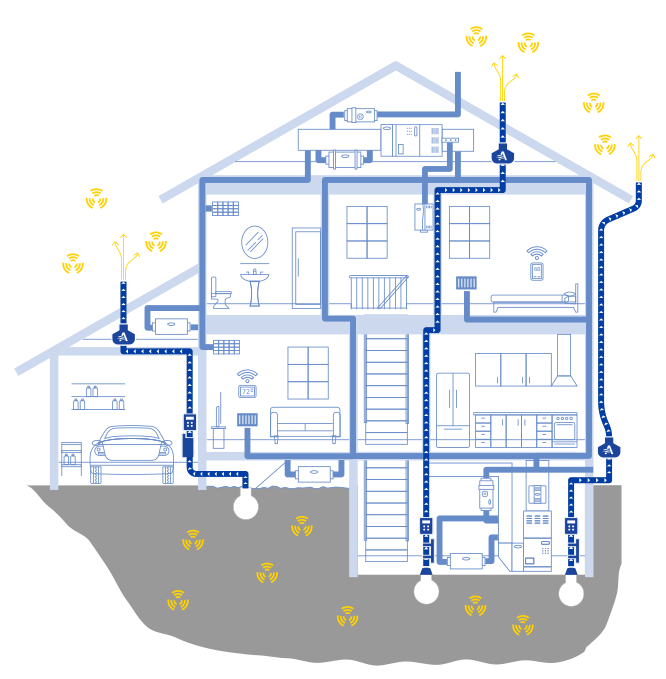
When reducing radon in the home, installing a radon mitigation system is essential. Our radon control devices can reduce the radon in the building by up to 90%.
Questions
Radon Testing FAQ
Short answers to the radon testing questions homeowners ask most.
How long does a radon test take?
Our electronic radon monitor begins detecting radon within the first hour and continuously updates readings throughout the test. For your home’s long-term radon level, Health Canada recommends testing for 3 to 12 months, with at least 91 days during the heating season, and basing any decision to reduce radon on that long-term result. If you want that figure, we recommend a long-term test.
How accurate is your radon test?
The electronic radon monitor we use has undergone independent Canadian performance testing and demonstrated strong agreement with professional reference instruments. A rapid in-home test reflects the radon level while the test runs, and because radon levels fluctuate, Health Canada recommends a minimum 91-day measurement to determine a home’s long-term radon exposure.
When is the best time to test for radon?
During the heating season, in fall and winter. Indoor radon levels are typically higher in the colder months, when closed windows and doors keep more radon inside, so Health Canada recommends that at least 91 days of a long-term test fall in the heating season.
Where should a radon test be placed?
On the lowest lived-in level of your home, in a room someone uses more than 4 hours a day, such as a bedroom, living room, family room, den, playroom, or office. Health Canada says not to test in the kitchen, laundry room, or bathroom.
Can I test my home for radon myself?
Yes. Health Canada lists two options for a long-term test: a do-it-yourself radon test kit, or a radon measurement professional. For a quick first step, our in-home radon test starts reading within the first hour, and our certified technicians give you advice on the spot.
What radon level is too high in Canada?
The Canadian guideline is 200 Bq/m³ (5.4 pCi/L). If your yearly average is above it, Health Canada recommends taking steps to reduce the radon level within 1 year, and sooner the higher the level is. Radon mitigation by Platinum Air Care can reduce the radon in the building by up to 90%.
Do new homes need radon testing?
Yes. Health Canada recommends every home should be tested, and a new home should be tested during its first heating season and again 2 years after it was built. Modern, energy-efficient homes can trap radon gas more easily due to tighter construction and reduced airflow, and homes with no basement may still have elevated radon levels.
Where do you offer radon testing?
Platinum Air Care provides radon testing and mitigation services throughout Southwestern Ontario, in cities such as London, Hamilton, Kitchener, Windsor, St. Thomas, and surrounding areas. To schedule a radon test or ask about radon mitigation, call (519) 686-3595.
Let us help you
Start Your Radon Test Today
Let us help do the testing for you. Our certified technicians will set up your test so you don’t have to.
Call us directly at (519) 686-3595 to schedule your radon test or to ask about radon mitigation.
- 4.9 from 2,300+ Google reviews
- Since 1999
- Southwestern Ontario